
Machine Comparison
Hobbing, shaping and grinding are not three ways to do the same job; they are three stages of one, and the gear decides which of them applies. Hobbing generates the tooth with a rotating hob and is the fast, general method for external spur and helical gears. Shaping generates the tooth with a reciprocating cutter and is the method that reaches internal gears, gears hard against a shoulder, and other shapes a hob cannot enter. Grinding comes after heat treatment, to correct distortion and hold the accuracy and quietness that a cut tooth cannot guarantee. A shop that confuses the three buys the wrong machine; a drawing that specifies only "gear" leaves the choice open.
Gear hobbing vs gear shaping vs grinding in one table
Gear hobbing vs gear shaping is the comparison most buyers start with, because those are the two cutting processes. Each removes material a different way, and each has a shape it can and cannot produce.
| Behaviour | Hobbing | Shaping | Grinding |
|---|---|---|---|
| Cutting action | Rotating hob, continuous generating motion | Reciprocating cutter, generating motion | Abrasive wheel, profile or generating |
| External teeth | Yes, the default method | Yes, slower | Yes, as a finishing operation |
| Internal teeth | No | Yes, this is its main advantage | Yes, with the right wheel and machine |
| Close to a shoulder | Limited by hob diameter and clearance | Yes, a narrow cutter reaches in | Limited by wheel clearance |
| Typical stage | Roughing and semi-finishing before heat treatment | Cutting internal or obstructed teeth | Hard finishing after heat treatment |
| Cycle time | Fastest for external gears | Slower, tooth by tooth | Slowest, and a separate machine |
| Accuracy achieved | Good commercial grades | Good, and the only route for internal | Highest grades, corrects distortion |
| Tooling | Hob, sharpened and recoated | Cutter, sharpened | Wheel, dressed to profile |
Hobbing: the default for external teeth
A hob is a worm with gashes, and it cuts a gear by rolling in mesh with the blank while the blank rotates in step. Because the cutting is continuous, hobbing removes a whole tooth space in one pass of the hob along the face width, which is why it is the fastest way to cut an external spur or helical gear.
It is also flexible: one hob covers a range of tooth counts for a given module, and the same machine cuts spur and helical gears by swinging the hob slide to the helix angle. For general gear production, the hobbing machine is the workhorse, and the decision is usually about size and accuracy grade rather than about whether hobbing is the right process.
Its limits are geometric. A hob cannot cut an internal gear, and it needs run-out room at the end of the tooth, so a gear that runs hard against a shoulder is either designed with a clearance groove or moved to shaping. The hob diameter sets how close it can reach.
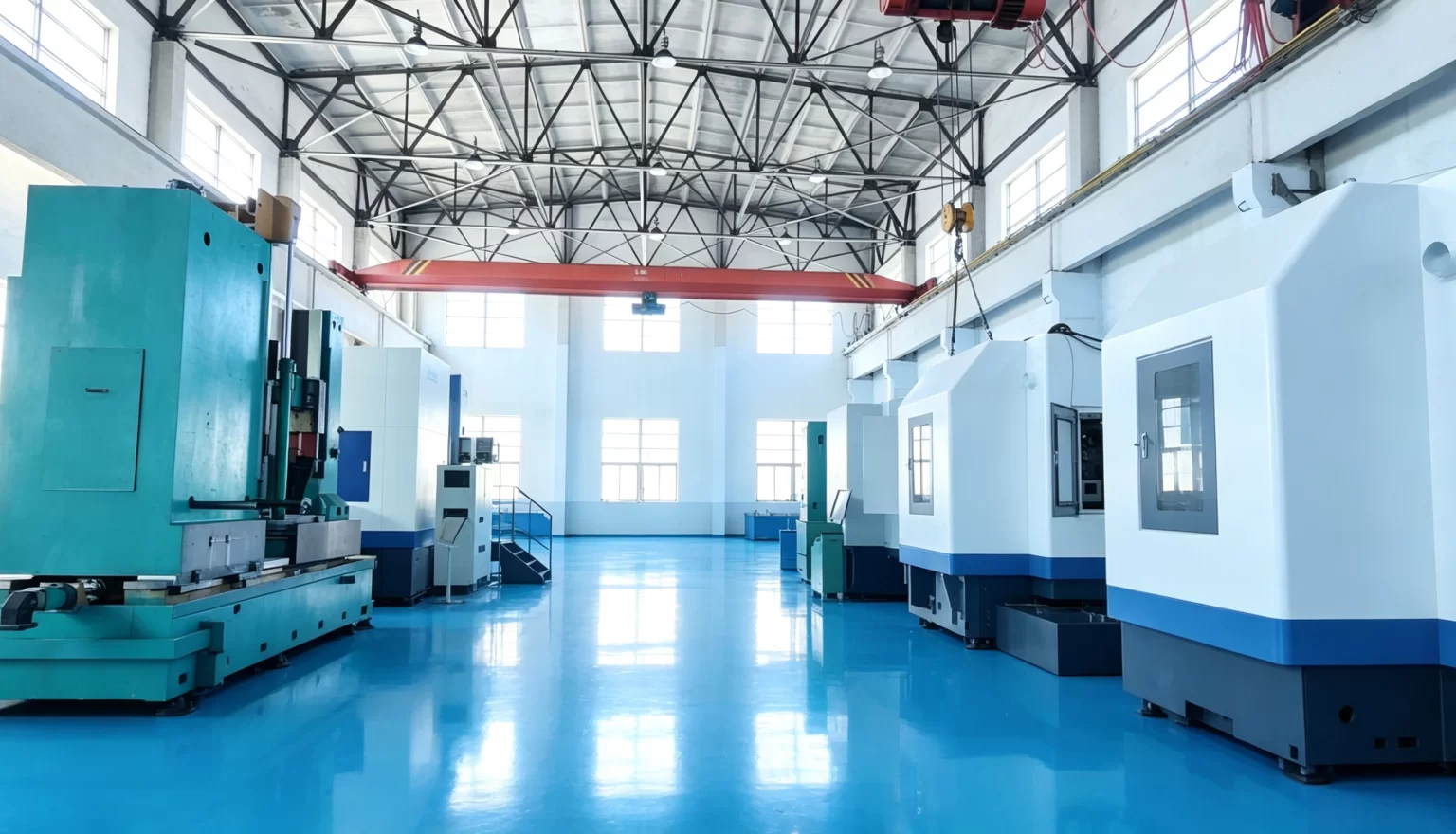
Shaping: what a hob cannot reach
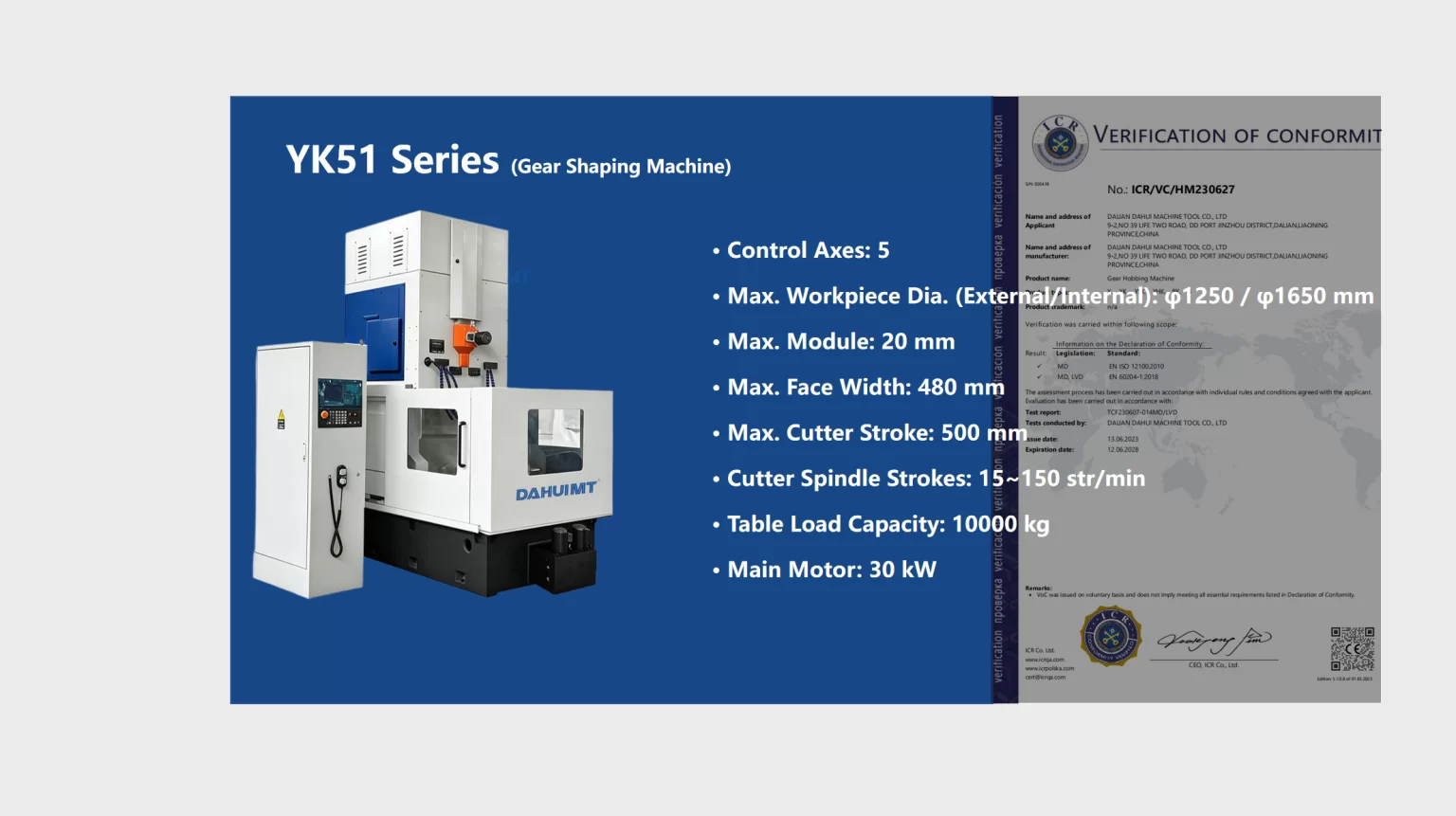
A gear shaper cuts with a reciprocating cutter that is, in effect, a gear-shaped tool with cutting edges. The cutter and the blank rotate together in a generating motion while the cutter strokes up and down, so the tooth is generated rather than milled. Because the cutter enters the tooth space from the end, it reaches places a hob cannot: internal gears, gears with a shoulder close to the face, and clusters where the teeth are trapped between other features.
The price is speed. Shaping is a sequence of strokes, so it is slower than hobbing for the same gear, and the cutter wears on its flanks rather than along a helix. For internal gearing there is often no alternative on a cutting machine, which is why shaping survives alongside hobbing rather than being replaced by it.
Grinding: correcting what heat treatment did
Heat treatment moves a gear. Distortion after carburising or nitriding is normal, and a cut tooth that met its tolerance before treatment may not meet it afterwards. Grinding removes that distortion and produces the flank quality that quiet, high-speed gears need.
It is a finishing operation, not a substitute for hobbing or shaping: the tooth is cut first, treated, then ground. Profile grinding uses a wheel dressed to the tooth form; generating grinding uses a threaded wheel and is faster for large batches. Both need a machine, a wheel package and a dressing strategy, and both add cost per piece that only the accuracy requirement justifies.
The practical consequence for a buyer is that the accuracy grade on the drawing decides whether a grinding machine belongs in the project at all. A commercial grade gear for a low-speed application does not need it; a gearbox gear running at high speed with a noise requirement usually does.
The question that picks the process
Look at the tooth, not the machine: are the teeth external and clear at both ends, or internal and trapped? That single distinction decides between hobbing and shaping. Then look at the heat treatment and the accuracy grade: if the gear is hardened and the grade is tight, grinding is a required stage rather than an option.
Choosing from the drawing
| 1. Internal or external | External and clear at both ends: hobbing. Internal, or trapped against a shoulder: shaping. |
|---|---|
| 2. Module and face width | Sets the machine size and the hob or cutter you need, and the stroke length for shaping. |
| 3. Accuracy grade | Determines whether the tooth can be finished by cutting alone or needs grinding after heat treatment. |
| 4. Material and heat treatment | Case hardening, nitriding or through hardening change the distortion and therefore the finishing route. |
| 5. Batch size | Large batches favour hobbing and generating grinding; small batches and internal work favour shaping. |
Gear hobbing vs gear shaping is settled by the tooth, and the choice between the two cutting machines is developed further in YK31 versus YK51, and the full range is on the gear machine page.
What to write into the enquiry
The gear
- Module, number of teeth, pressure angle and helix angle
- Internal or external, and the clearance to any shoulder
- Accuracy grade and the standard it is quoted against
- Material, heat treatment and whether grinding is required after treatment
The machine
- Maximum workpiece diameter and module the machine must cover
- Whether the machine cuts internal teeth, and the largest internal diameter
- Hob or cutter arbor size and the tooling supplied
- Whether a grinding machine is part of the same project or a separate purchase
How the three processes sequence in a real gear shop
A gear does not choose one process; it moves through them in a fixed order, and the order explains why shops own more than one machine.
Soft cutting first. The tooth is cut before heat treatment, usually by hobbing for external gears and by shaping where the tooth is internal or trapped. At this stage the gear is soft, the cutter lasts, and the cycle is as fast as it will ever be. The 5 axis vs 3 axis machining question does not arise here, but the hobbing vs shaping one does, every time.
Heat treatment. Carburising, nitriding or through hardening. This is where the tooth moves: distortion is normal, and the amount depends on the material, the section and the furnace, not on the machine that cut it.
Hard finishing. If the drawing calls for a tight grade or quiet running, the tooth is ground after treatment. That is a separate machine with a dressed wheel, and it is the stage that decides whether the gear meets its accuracy grade or merely looks like it will.
For soft cutting the rule is simple: external and clear, hob it; internal or trapped, shape it. For a shop that only cuts soft gears, that rule covers the whole decision.
There is one more consequence worth planning for. A shop that cuts soft gears and then sends them out for grinding is dependent on someone else’s queue, and the delivery promise it makes to its own customers inherits that dependency. The gear hobbing vs gear shaping decision is about the cutting machine, but the grinding decision is about control of the schedule.
If the accuracy grade requires grinding and the volumes are real, the grinding machine belongs in the same three-year plan as the cutter. If the volumes are small, outsourcing is the rational choice, and the gear hobbing vs gear shaping comparison remains the only machine decision that has to be made now. Either way, state the finishing route on the drawing so the quotation is comparable: a gear quoted as cut-only and a gear quoted as cut-and-ground are not the same offer, even when the tooth is identical.
Whatever the route, the quotation should name the process for each operation: cut by hobbing, cut by shaping, ground after treatment. A gear offer that says only "gear, per drawing" leaves the finishing route open, and two suppliers quoting it will mean two different things. Naming the route is how a buyer compares like with like.
Frequently asked questions
Can a hobbing machine cut internal gears?
No, and in the gear hobbing vs gear shaping comparison this is the decisive difference. Hobbing generates the tooth from the outside, so an internal gear has no path for the hob. Internal teeth are shaped, or ground with a suitable wheel and machine.
Is shaping obsolete now that hobbing is fast?
No. Shaping remains the practical cutting method for internal gears and for teeth trapped against a shoulder. It is slower, but for those shapes there is no hobbing alternative.
Do I always need grinding after heat treatment?
Only if the accuracy grade or the application requires it. Many commercial gears are cut, treated and used without grinding. High-speed, low-noise or precision transmission gears usually are ground.
Can one machine do both hobbing and shaping?
Some combination machines exist, but they are a compromise in rigidity and workholding. For production, separate machines are usually the better economic answer because each is optimised for its cutting action.
What decides the accuracy I can hold?
The machine’s geometry and stiffness, the tool quality and the heat treatment, in that order. A tight-grade gear on a machine that cannot hold its own geometry will not be saved by a better cutter.
Send the gear drawing, and we will tell you the process
Send module, tooth count, helix angle, accuracy grade and heat treatment, plus whether the teeth are internal. We will tell you whether the job is hobbing, shaping, or both plus grinding, and which gear machine covers it.
Send your gear dataSee gear machines
WhatsApp +86 15502628547 · info@dhlathe.com
State whether the teeth are internal. It is the one detail that rules out hobbing entirely.
