
Buying Guides
OEM and ODM describe who owns the design, not how custom a machine can be. In an OEM arrangement you specify the machine and the builder manufactures it to your specification, often under your name. In an ODM arrangement the builder already owns a developed platform and adapts it to your requirement, which is faster and cheaper because the base design is not being created from scratch. Almost every custom CNC machine OEM project in practice sits between the two, and what determines the cost and the date is not the label but which of the five levels of customisation you actually need.
What OEM and ODM mean for a machine tool
The two terms come from consumer manufacturing and they are used loosely in machine tools, which causes most of the confusion in a first custom CNC machine OEM enquiry. The distinction that matters is where the design authority sits and who carries the risk if the design does not perform.
| Model | Who owns the design | What you supply | Typical machine tool case |
|---|---|---|---|
| ODM | The builder. A platform that already exists, is already built and has already been proved in the field | A requirement: the part, the tolerance, the volume, the environment | A standard series machine adapted with a longer bed, a different spindle speed range, a special chuck or an extra axis |
| OEM | You, or you and the builder jointly. New drawings and a new design authority | Drawings, specifications, standards, sometimes the tooling design | A machine built to your internal standard for a production line, branded as your own product, or a special machine for one process |
| Mixed | Split by module: the builder owns the machine structure, you own the process, tooling or automation interface | The process definition and the interface requirements | The most common real case: an ODM base machine with an OEM-level station, fixturing or automation package added |
Two consequences follow. First, an ODM conversation should start with the builder’s existing range, because the fastest route to a machine that works is to modify something that already works. Second, an OEM conversation has to start with a much more complete document, because the builder is taking your drawings and your standard rather than its own, and the cost of an error is measured in engineering hours rather than in an option price. If the requirement is still at the stage of choosing a machine class rather than a configuration, work through how to choose a CNC lathe first — a custom project built on an unclear requirement is expensive at every stage.
The five levels of customisation
Custom is not one thing. These five levels are what an engineering department actually prices, and they differ by an order of magnitude in cost, lead time and risk. Identify the level before asking a custom CNC machine OEM supplier to quote.
| Level | What changes | Typical examples | What it costs and why |
|---|---|---|---|
| 1. Configuration | Nothing in the structure. Options from the standard list | Chuck size, turret or tool magazine, chip conveyor, control series, spindle chiller | Option price only. No engineering, no drawing change, standard lead time |
| 2. Adaptation | A dimension or a specification inside the existing casting and model family | Longer turning length, higher spindle speed, different taper, extra M-code interface, extended travel | Engineering check plus a drawing change. Weeks, not months, and inside the same casting family |
| 3. Special build | A new casting, a new headstock or a new structure | Larger swing than the series offers, a special steady rest arrangement, a purpose-built column | New pattern, new machining setup, retest. This is where pattern and mould costs appear |
| 4. Branded platform | The machine as delivered, in your identity | Your nameplate, your colour and livery, your control screen, your manual and parts catalogue | Documentation, labelling and conformity work. Low engineering, high administration |
| 5. Co-developed machine | The whole machine, designed for one process or one line | A dedicated machine for a single component, an integrated automation cell, a machine with a customer-specific process | Joint development, prototype cycle, acceptance on the customer process. Measured in quarters, not weeks |
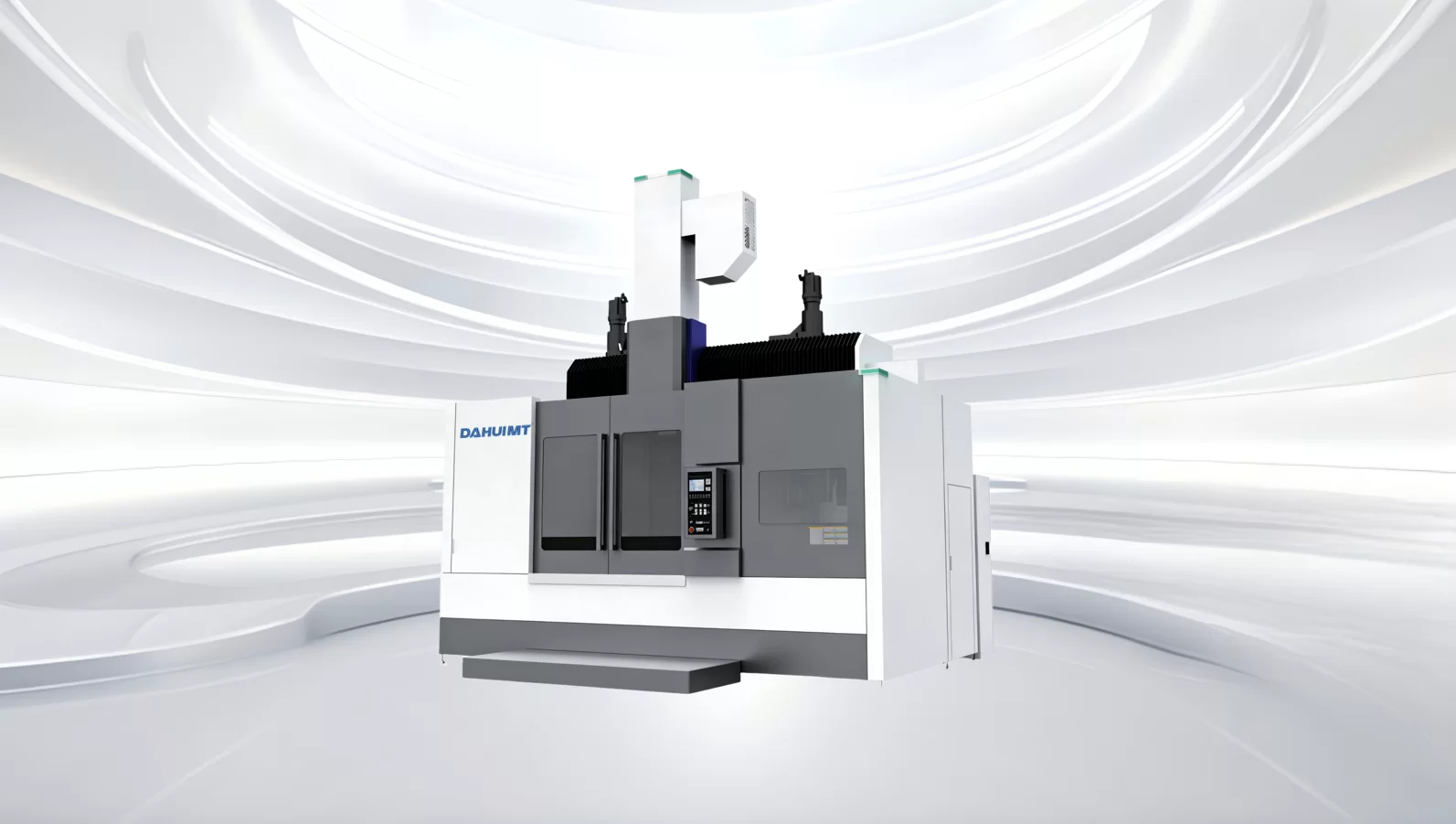
The feasibility gate: settling the level before the price
A custom project should pass through one short feasibility step before a price is given, and this is where a good supplier separates itself from a fast one. Feasibility answers four questions: can the part be produced on the proposed structure at all, which of the five levels is genuinely required, which measurements will prove the machine works, and what has to be created that does not exist yet — a pattern, a fixture, a special tool, a control macro, a PLC routine.
Two outcomes are common and both are useful. The first is that the requirement turns out to be level 1 or 2, which means a standard machine with a defined configuration and a normal lead time. The second is that a genuine level 3 or 5 is required, and the honest answer names the items that have to be engineered from scratch and the lead time each of them carries. What is not useful is a price returned in a day for a requirement that has never been read by an engineer, because it will be revised twice and the date will move with each revision.
Where the customisation concerns the machine structure rather than the process, the engineering that decides the outcome is in the casting, the bed machining and the alignment — the parts of the build that cannot be adjusted later. How DAHUI MT documents its manufacturing and testing steps shows what that evidence looks like when it is written down rather than described.
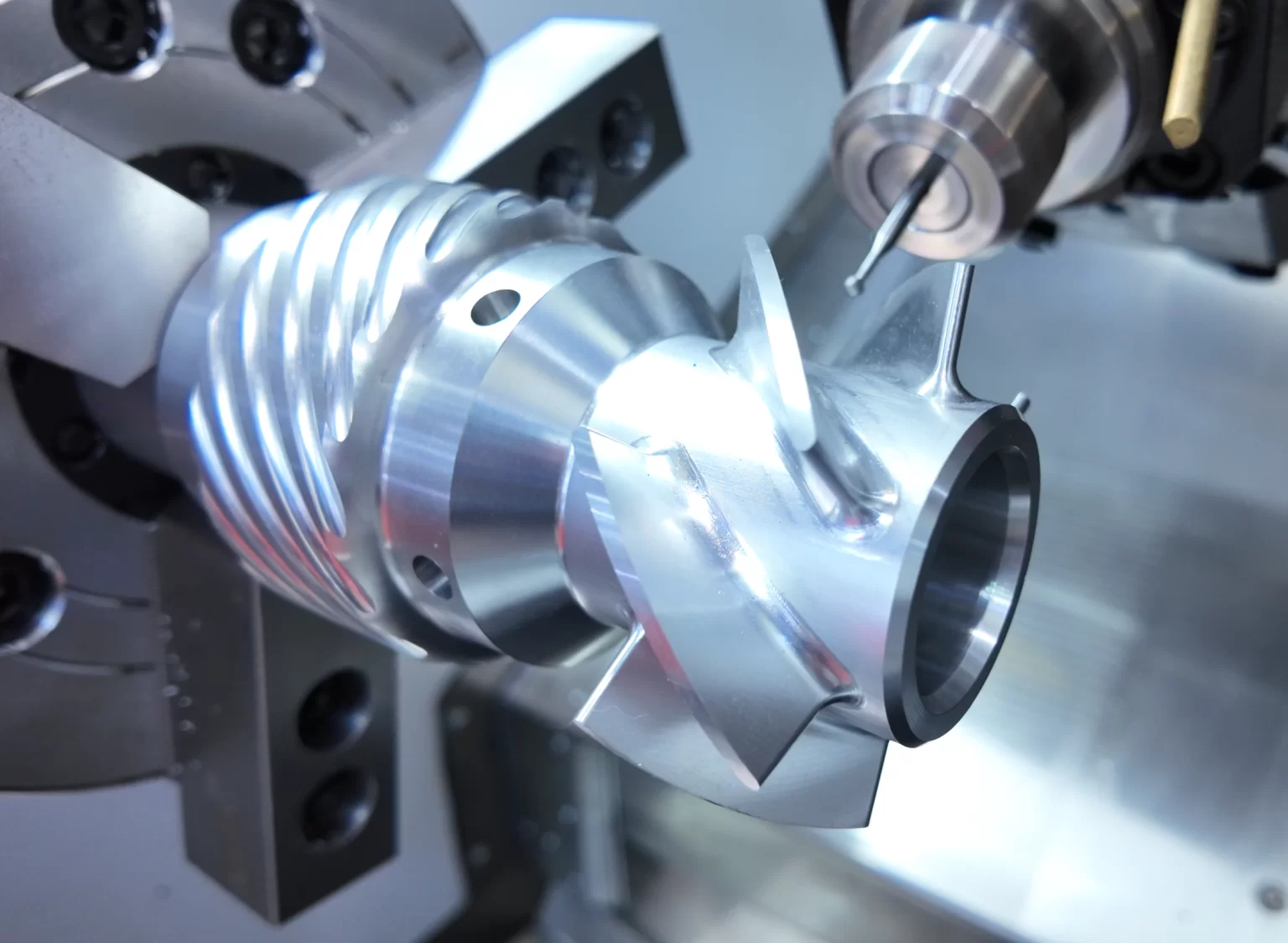
The specification that makes the project work
In a custom CNC machine OEM project the specification replaces the catalogue. Whether the arrangement is closer to OEM or to ODM, the same document has to exist and both parties have to sign it, because it is the only thing that can settle a disagreement about what was ordered.
| Process definition | The part drawings, the material, the operations performed on this machine, the tolerance and surface finish to be held, and the cycle time required |
|---|---|
| Configuration definition | The base platform and the level of customisation, with every deviation from the standard build listed as a numbered change |
| Interface definition | Everything the machine has to connect to: power, air, coolant, chip management, bar feeder, robot or gantry, part conveyor, MES or production monitoring |
| Branding and documentation | Nameplate, livery, control screens, manual and parts catalogue language, and who owns the resulting drawings |
| Acceptance protocol | The test part, the measurements, the number of consecutive parts in tolerance, who witnesses, where, and what record is issued |
| Conformity | The market of installation and the conformity route it requires, agreed before the build so the technical file is created alongside the machine |
| Change control | Who may request a change, in what form, how the price and the date are recalculated, and which changes are free within the agreed scope |
| Schedule | Milestones for the engineering release, the casting or modification, assembly, test, acceptance and packing, with the driver for each date |
Two clauses in that table cause more disputes than the rest combined. The first is the interface definition, because a machine that is correct in isolation can still be unusable once it has to feed a robot or be monitored by a plant system. The second is change control, because a custom project almost always changes once. A project with a written change process absorbs that change; a project without one converts it into a delay that neither side can price.
Build, change control and acceptance
Once the specification is signed, the build follows the same logic as a standard machine with three additional checkpoints. The first is the engineering release: the point at which drawings, BOM changes and control software are frozen and the build can start. Everything the supplier has to create — a pattern, a fixture, a macro, a wiring modification — is complete at this point. If the engineering release is not dated in the order, the project has no start.
The second checkpoint is the intermediate inspection of anything new. A modified casting or a special fixture should be measured before assembly, not discovered after it, and a photograph with dimensions is enough evidence for a buyer to confirm that the change was made as specified. The third is the acceptance test, which for a custom machine should be run on the customer’s own process wherever possible: the real part, the real material and the real tolerance. A test cut on a demonstration piece proves the machine works; it does not prove the project works.
Conformity has to be handled alongside the build rather than at the end. A machine that has been modified from a certified configuration may no longer be covered by the documentation that came with the standard model, so the route has to be re-established for the machine as delivered. For machinery placed on the EU market, the framework is the one set out by the European Commission in its guidance on machinery, and the technical file must reflect the machine as built. Delivery terms for a bespoke unit, where the handover point is more likely to be argued because the machine exists for one customer, should be stated using a published term such as those in the ICC Incoterms 2020 rules.
The date that moves is the undated one
A custom CNC machine OEM project that runs late almost never misses its build; it misses its engineering release. If the order names a delivery date but no date for the frozen specification, the first change request will consume the margin and the delivery date will move by exactly the amount of engineering work nobody scheduled.
What to prepare before you ask for a custom machine
A custom quotation is only as good as the material supplied with the enquiry, and the preparation is almost entirely on the buyer’s side. The list below is what an engineering department needs before it can answer with a level, a price and a date rather than a range.
The requirement
- Part drawings or models for every part the machine will run, not only the first one
- Material, hardness and blank form, with heat treatment sequence stated
- Tolerance and surface finish per feature, and the cycle time required per part
- Annual volume, batch size and the shift pattern the machine will work
The boundaries
- What is fixed and what is negotiable in the requirement — state both explicitly
- Floor space, height, power supply, compressed air and coolant provision at the installation point
- Installation market, conformity route and the language required for documents and interface
- Existing equipment the machine must integrate with, with its interface details
The commercial frame
- The customisation level you believe you need, so it can be confirmed or corrected
- The date the machine must be in production, and the date you can accept handover
- Delivery term and named place, plus who handles installation and commissioning
- Which documentation and training are required, and in what form
Not sure which level your project is? Send the workpiece and the process requirement for a first assessment → A short description of the part, the operations and the volume is usually enough to say whether the answer is a configured standard machine or a special build — and which of the two is worth the money. Where the project also needs a supplier comparison, the criteria are set out in how to evaluate a machine tool supplier in China.
What goes wrong, and how to avoid it
How a custom project succeeds
- The customisation level is agreed in writing before the price, and both sides accept it
- The specification is signed with a revision number, and every change is a numbered revision
- Anything new is inspected before assembly, with photographs and measured dimensions
- Acceptance runs on the customer’s real part, material and tolerance, with a record issued
What goes wrong
- A bespoke price given before an engineer has read the requirement, revised twice afterwards
- Unlimited “small changes” during the build, with no recalculation of price or date
- Conformity treated as paperwork for the end of the project rather than the start
- Acceptance run on a demonstration part that resembles the customer’s part but is easier
The economics of customisation are worth stating plainly. A level 2 adaptation on a proven platform usually costs a fraction of a level 3 special build and carries a fraction of the risk, and the machine that results is often equally capable. Buyers who go looking for a special build usually find, after the feasibility gate, that they needed a differently configured standard machine. That is not a disappointment; it is the quotation doing its job. For machine architecture decisions that sit in front of a custom request, the machining centre range and the lathe series pages show the configurations that already exist before anything has to be created.
Frequently asked questions
What is the difference between OEM and ODM in machine tools?
It is a question of design authority. In OEM, the design is yours or jointly developed to your drawings and standards, and the builder manufactures to that specification — typically with your brand on the machine. In ODM, the builder owns a platform that already exists and adapts it, which means faster engineering, a shorter lead time and lower cost, because the structure and its behaviour are already known. In practice most custom CNC machine OEM projects are a mixture: an ODM base machine with an OEM-level station, fixture or automation package built onto it.
How long does a custom CNC machine OEM project take to build?
Level 1 and 2 work — options and adaptation inside an existing platform — usually stays within the normal build band for that series, because no new casting or pattern is required. Level 3 and above add the time to design, make and test whatever is new, which is measured in additional weeks or, for a co-developed machine, in months. The date that matters for planning is the engineering release, not the delivery date: once the specification is frozen, the additions can be scheduled honestly.
Can a custom machine carry our own brand?
Yes, and it is a routine part of export OEM work: nameplate, livery, control screen branding, manual and parts catalogue issued under the customer’s identity. Two points to settle in writing. The first is which documents are rebranded and whether the original manufacturer’s name must still appear for conformity and traceability reasons. The second is ownership of the resulting design: whether modifications made for you can be sold to your competitors, which is a commercial term, not a technical one.
What does customisation cost, and what drives the price?
The largest single driver is whether anything new has to be created — a pattern or casting, a fixture, a special spindle or headstock, a new control routine. The second is the engineering time to check that the change is safe: a longer turning length changes the deflection of the bed, an extra axis changes the control and the guarding, and higher spindle speed changes the bearing arrangement and the thermal behaviour. Options added from the standard list are the least expensive form of customisation because none of that engineering is required.
How is a custom machine accepted?
Against the acceptance protocol in the signed specification, on a real part, with the real material and the tolerance the machine must hold in production. The protocol names the test part, the measurements, the number of consecutive parts within tolerance, who witnesses the test, where it takes place, and what record is issued. Where the part is confidential, the test can be run on a representative part or on a defined test cut — but the substitution has to be agreed in the specification, not improvised on the day of the test.
Next step
Send the process, and get the level before the price. Send the part drawings, the material, the operations and the volume, and our engineering team will tell you which of the five levels your requirement actually needs, what has to be created for it, and what each option does to the price and the date — before anyone quotes a custom CNC machine OEM project as though it were a catalogue item.
Submit a custom machine requirement
WhatsApp: +86 15502628547 · Email: info@dhlathe.com
Attach the part drawings, the tolerance schedule and the target cycle time where you have them. If the requirement is still open, say so — the first step is a feasibility assessment, not a price.
